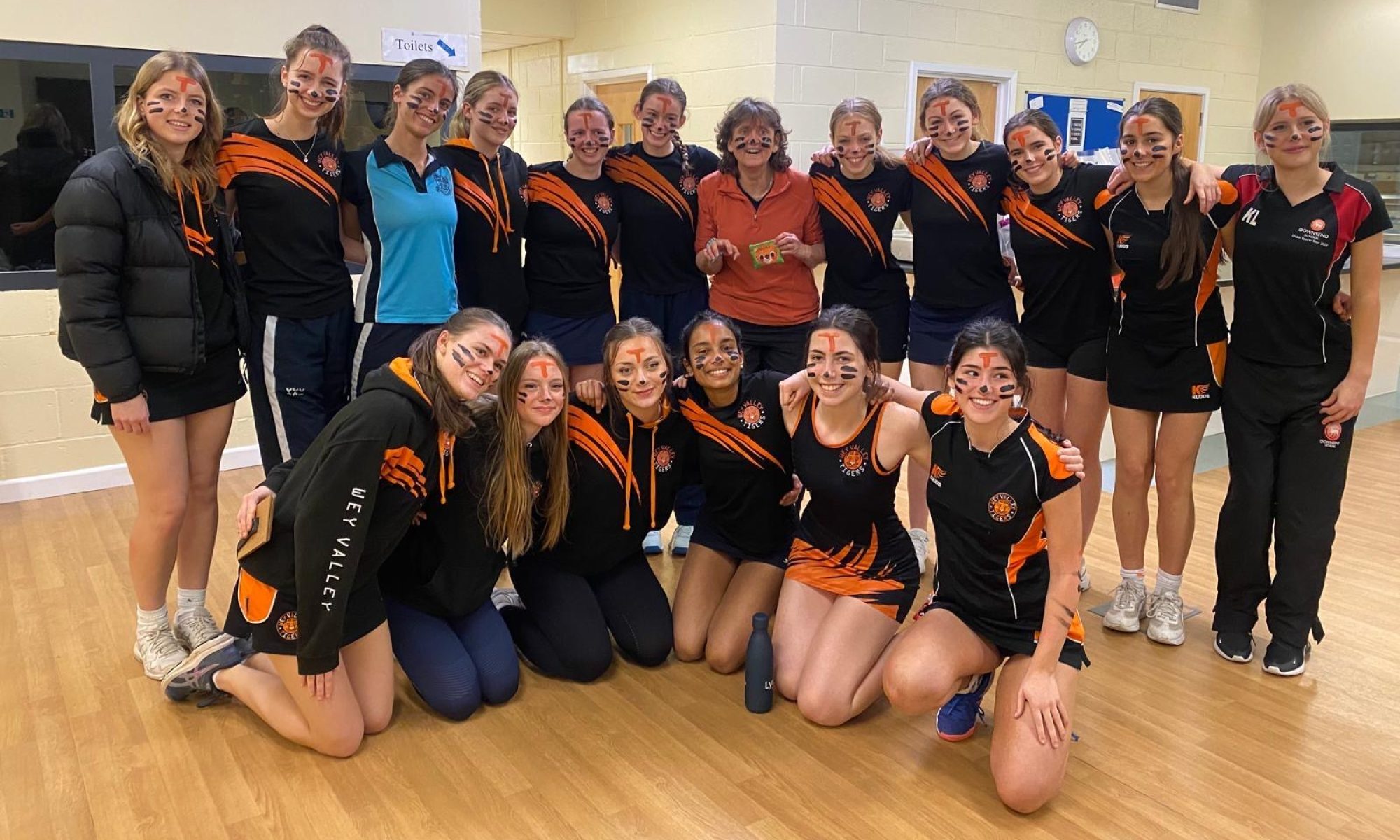

Developing skills on and off the court
At Wey Valley Netball Club, we are proud to support the Duke of Edinburgh’s Award (DofE) as part of our wider commitment to developing young people through sport, whether it is developing a physical skill or in volunteering role.
Taking part in DofE alongside netball provides our players with an opportunity to develop skills, confidence and positive habits that will benefit them both on and off the court. We fully embrace the DofE philosophy of ‘encouraging young people to demonstrate commitment, perseverance and the development of skills and attributes.’
TO SIGN UP AND ENSURE THAT YOU GET THE MOST OUT OF YOUR EXPERIENCE, PLEASE FOLLOW THESE GUIDELINES:
1. Talk to us before you start
Please discuss your DofE plans with us before beginning your activity at the club. This allows us to understand what you are hoping to achieve and ensure we can support you throughout the process.
2. Set SMART objectives
At the beginning of your DofE activity, we will agree clear SMART objectives with you. These will help you focus on what you want to achieve and enable us to support and monitor your progress.
3. Agree your dates and commitment
We will agree the dates and sessions that meet the time commitment required for your Award. If you miss a session, we can adjust the dates accordingly. Your agreed commitment must be based around Wey Valley training and match sessions and cannot include holiday periods other than training camps.
4. Keep your DofE record up to date
Please ensure that all relevant information is completed on the DofE website throughout your activity. This will allow us to provide an accurate and meaningful Assessor’s Report at the end of your programme.
5. Agree your report deadline
Towards the end of your activity, please let us know when your Assessor’s Report is required. This enables us to complete it thoughtfully and within the required timeframe.
Your DofE journey at Wey Valley Netball Club
DofE is about more than completing a set number of hours. It is an opportunity to challenge yourself, develop your skills, build confidence and recognise what you can achieve.
The Duke of Edinburgh Award
The Duke of Edinburgh’s Award (DofE) is a youth development program for people aged 14 to 24. Each level has specific requirements and participants must complete progressively challenging tasks.
Program Levels & Age Requirements
- Bronze: Starts at age 14 or older.
- Silver: Starts at age 15 or older.
- Gold: Starts at age 16 up to your 25th birthday.
The Sections
- Volunteering: Helping others or the local community.
- Physical: Improving fitness, sport, or dance.
- Skills: Developing a practical, social, or creative hobby.
- Expedition: Planning, training for, and completing an adventurous journey.
- Residential (Gold only): Shared activity away from home for 5 days and 4 nights.
Timescales
There are 3 levels of the DofE programme you can do which lead to a Bronze, Silver or Gold Award. The main differences between them are:
- the length of time it takes to complete them
- how challenging they are
- at what age you can start
You need to work on each section for an average of 1 hour a week. At Bronze level, activities are usually weekly.
Condensed hours
For longer sections at Silver and Gold it can be useful to do an activity for longer but less often. This can be good for Volunteering in particular, so you can take on more interesting and challenging activities.
Goal
For each section, you should set a challenging but achievable goal. You must show development and regular progress towards this goal.
Bronze
It will take you at least 6 months/26 weeks to achieve your Bronze Award. You cannot complete your Bronze in less than 6 months. You can start your Bronze in the school year you turn 14.
- Volunteering: 3 months/13 weeks
- Physical: 3 months/13 weeks
- Skills: 3 months/13 weeks
- Expedition: 2 days/1 night
You also have to spend an extra 3 months on one of the Volunteering, Physical or Skills sections. It’s your choice which one to work on for 6 months and you should decide before you start. You can change your mind later if you want.
Knowing how long you’re doing each section for will help you choose your activity and set your goals.
Silver
It will take you at least 6 months/26 weeks for Silver if you’ve already achieved your Bronze. If you jump straight into Silver, it will take at least 12 months/52 weeks. You cannot achieve your Silver Award in less than 6 months. You can start your Silver in the school year you turn 15.
- Volunteering: 6 months/26 weeks
- Physical and Skills: One section for 6 months/26 weeks and the other section for 3 months/13 weeks
- Expedition: 3 days/2 nights
If you did not do Bronze, you need to do an extra 6 months of either Volunteering, or the longer of the Physical or Skills section. This means your longest section will take you 12 months/52 weeks.
Gold
It will take you at least 12 months/52 weeks for Gold if you’ve already achieved your Silver. If you have not done your Silver, even if you did Bronze, it will take at least 18 months/78 weeks. You can start your Gold after turning 16 years old.
The big difference at Gold is you will also do a Residential section with people you do not know.
- Volunteering: 12 months/52 weeks
- Physical and Skills: One section for 12 months/52 weeks and the other section for 6 months/26 weeks
- Expedition: 4 days/3 nights
- Residential: Do a shared activity in a residential setting away from home for 5 days and 4 nights
If you did not do Silver, you need to do an extra 6 months of either Volunteering or the longer of the Physical or Skills section. This means your longest section will take you 18 months/78 weeks.Find out more or sign up via the official Duke of Edinburgh’s Award website:
Duke of Edinburgh’s Award – Official Website

